What Is A Balanced Diet?
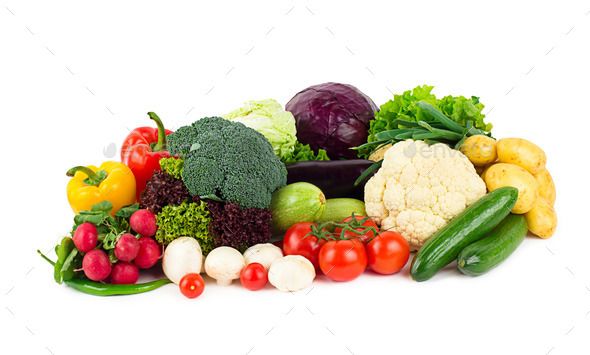
A balanced diet gives your body the nutrients it needs to function correctly. It should include a variety of fresh fruits and vegetables, which provide essential vitamins, minerals, and fiber; whole grains, which are a good source of complex carbohydrates and fiber; legumes, which offer protein, fiber, and a range of micronutrients; nuts, which provide healthy fats, protein, and essential vitamins and minerals; and lean proteins, which are crucial for muscle repair and overall body function. A diet rich in these foods supports overall health, aids in digestion, helps maintain a healthy weight, and reduces the risk of chronic diseases. To get the nutrition you need, most of your daily calories should come from:
- Fresh fruits
- Fresh vegetables
- Whole grains
- Legumes
- Nuts
- Lean proteins
Advantages:
- Provides essential nutrients
- Supports overall health
- Maintains healthy weight
Disadvantages:
- Can be time-consuming to prepare
- May require dietary adjustments
Calories
The number of calories in a food refers to the amount of energy stored in that food. Your body uses calories from food for walking, thinking, breathing, and other important functions. The average person needs about 2,000 calories every day to maintain their weight, but the amount will depend on their age, sex, and physical activity level.
Advantages of calorie awareness:
- Helps manage weight
- Encourages healthier food choices
- Improves energy levels
Disadvantages of calorie restriction:
- Can lead to nutrient deficiencies
- May cause disordered eating habits
- Can be difficult to maintain
What to Eat for a Balanced Diet
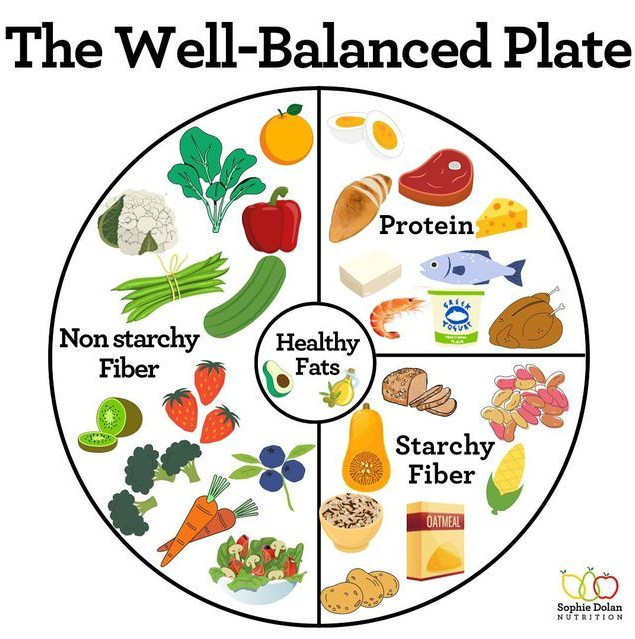
A healthy, balanced diet will usually include the following nutrients:
- Vitamins, minerals, and antioxidants
- Carbohydrates, including starches and fiber
- Protein
- Healthy fats
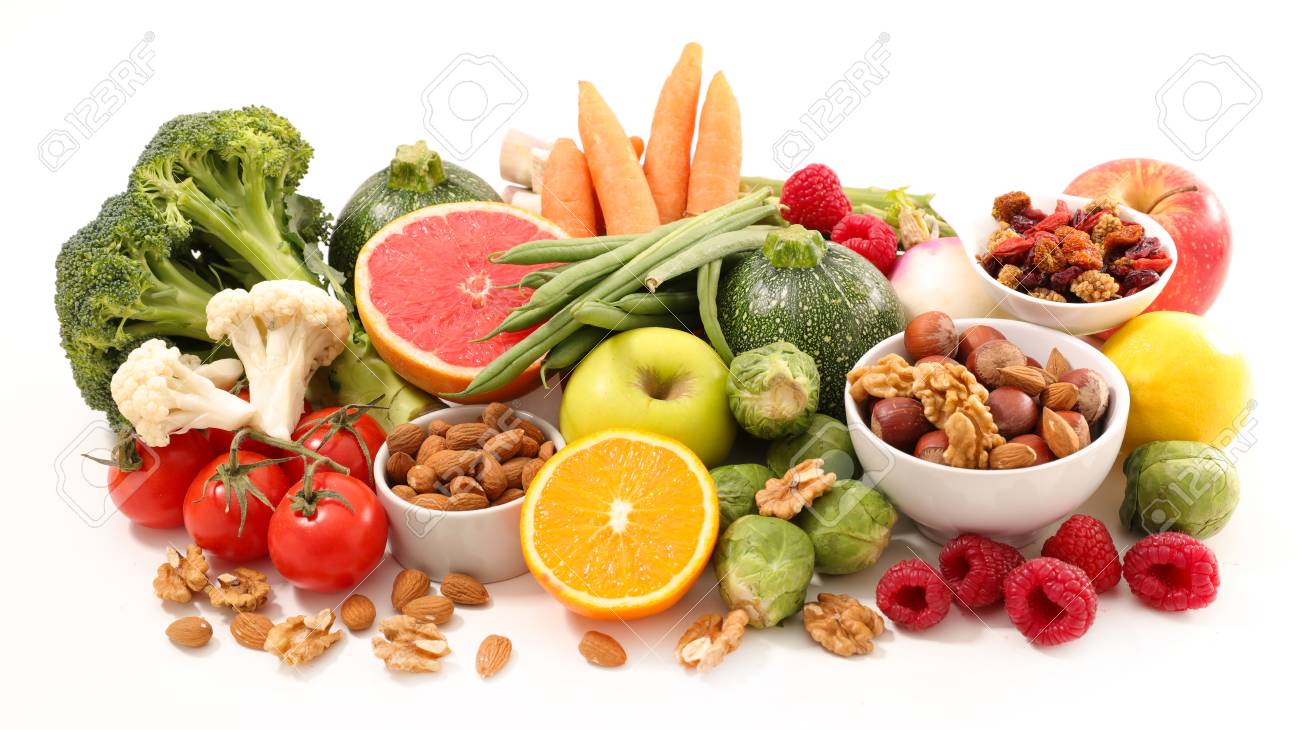
A balanced diet will include a variety of foods from the following groups:
- Fruits
- Vegetables
- Grains
- Dairy
- Protein foods
Examples of protein foods include: meat, eggs, fish, beans, nuts, and legumes
Foods to Avoid in Diet
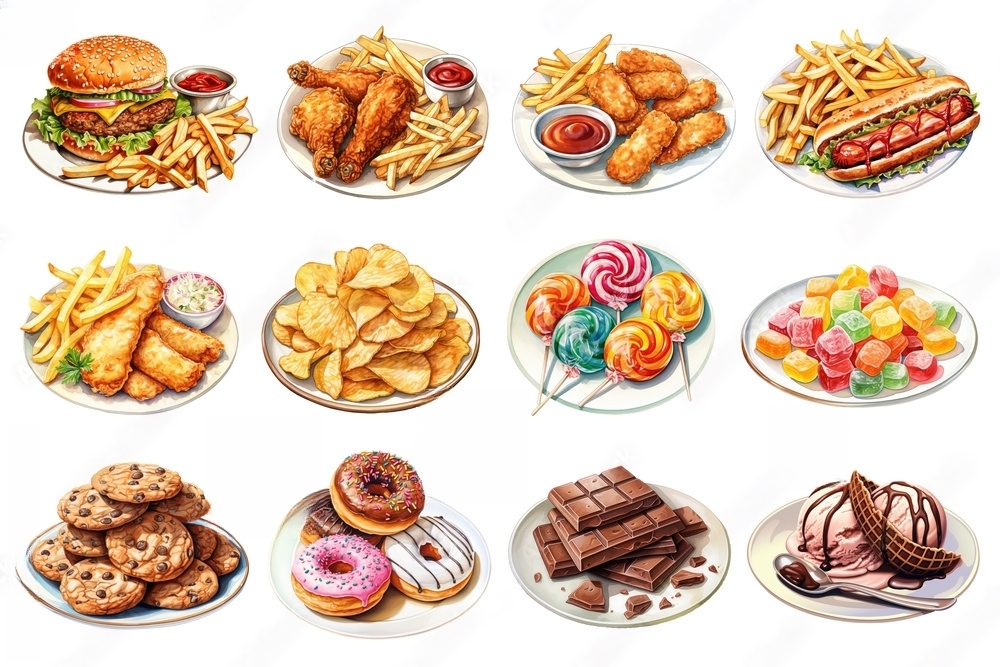
Foods to avoid or limit on a healthy diet include:
- Highly processed foods
- Oily food
- Refined grains
- Added sugar and salt
- Red and processed meat
- Alcohol
Advantages of avoiding these foods:
- Improves overall health
- Reduces risk of chronic diseases
- Maintains healthy weight
Disadvantages:
- May limit food choices
- Can be difficult to follow strictly
Vegetables
Vegetables are a key source of essential vitamins, minerals, and antioxidants. Eat a variety of vegetables with different colors for a full range of nutrients.
Dark, leafy greens are an excellent source of many nutrients. They include:
- Spinach
- Carrot
- Green beans
- Green peas
- Broccoli
- Collard greens